
Sleep Knowledge Resources
Explore our comprehensive collection of articles, guides, and evidence-based information covering sleep hygiene, nutrition strategies, and lifestyle recommendations to help you understand and improve your sleep quality.
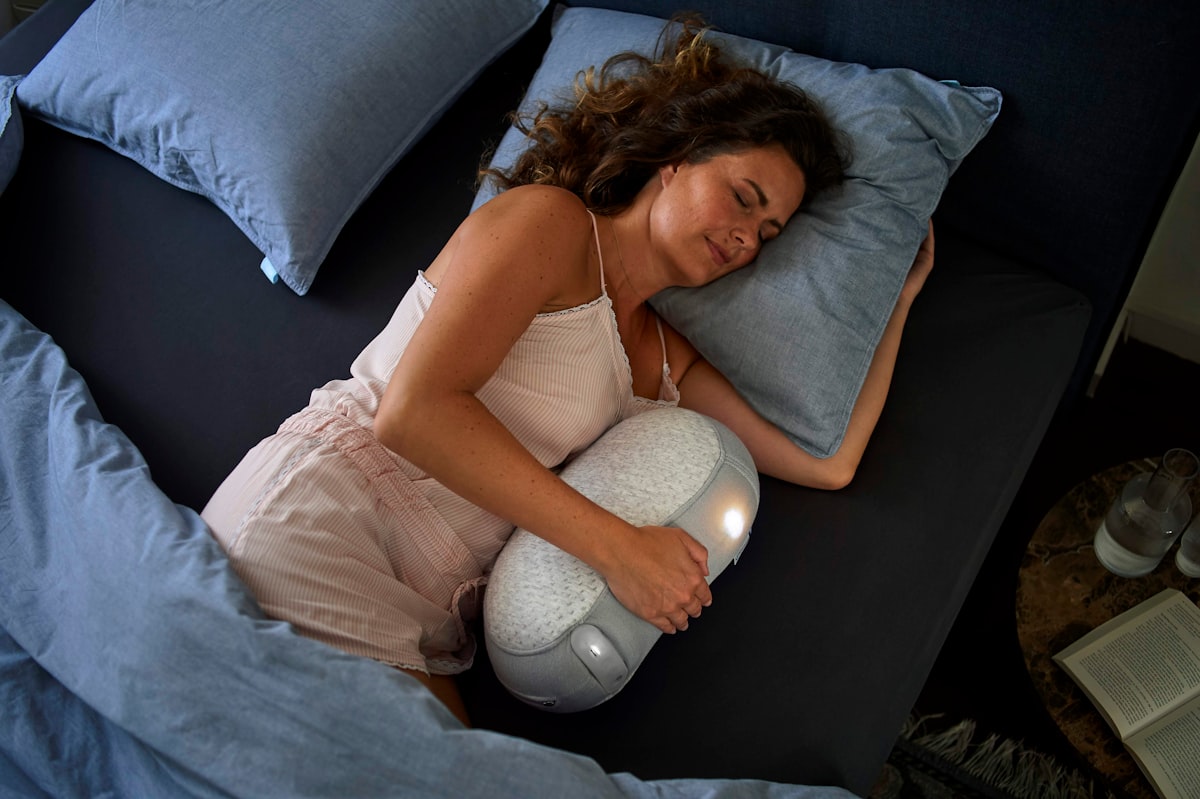
Sleep Hygiene Fundamentals
Learn the core principles of healthy sleep habits, including optimal bedroom conditions, consistent sleep schedules, and environmental factors that significantly influence sleep quality and duration.
Read article
Understanding Sleep Cycles & Stages
Discover the science behind sleep architecture, including REM and non-REM phases, the importance of each stage for physical and mental restoration, and how to recognise sleep cycle disruptions.
Read article
Foods That Support Better Sleep
Explore which foods contain sleep-supporting nutrients, timing of meals before bedtime, and dietary patterns that promote natural sleep induction and improve overall sleep continuity.
Read article
Building Effective Evening Routines
Discover structured pre-sleep activities that signal your body it is time to rest, including relaxation techniques, screen management, and wind-down practices proven to enhance sleep preparation.
Read article
Essential Vitamins for Sleep Quality
Learn which vitamins affect sleep regulation and where to find them in food sources, including B vitamins, magnesium, calcium, and other micronutrients critical for restorative sleep cycles.
Read article
Herbal Teas for Evening Relaxation
Explore traditional herbal infusions that naturally support relaxation before bed, their preparation methods, timing recommendations, and how they complement a comprehensive sleep hygiene approach.
Read article
Identifying Causes of Poor Sleep
Understand common factors that disrupt sleep, including lifestyle habits, environmental conditions, dietary choices, stress patterns, and physiological factors that may be affecting your rest quality.
Read article
Optimising Your Sleep Environment
Learn practical strategies for creating an ideal sleep space, including temperature control, light management, noise reduction, bedding choices, and furniture arrangement that supports restful sleep.
Read articleExplore More Sleep Science
Discover our complete library of articles covering sleep hygiene recommendations, nutrition strategies, evening routines, and evidence-based practices for achieving restorative sleep every night.
Browse All ArticlesQuestions About Sleep Resources
Find answers to common questions about sleep quality, nutrition, and lifestyle practices that support better rest.
What are the core healthy sleep rules?
The foundation of healthy sleep includes maintaining a consistent sleep schedule (same bedtime and wake time daily), creating a dark and cool bedroom environment, limiting screen exposure one hour before bed, and avoiding caffeine and heavy meals in the evening. Regular exercise during the day and exposure to natural light also significantly support sleep quality.
How important are sleep stages?
Sleep stages are critical for physical recovery and cognitive function. Light sleep stages transition you into deeper sleep, while deep sleep restores physical health and immune function. REM sleep is essential for emotional processing, memory consolidation, and brain development. A complete sleep cycle takes about 90 minutes, and you need multiple cycles for full restoration.
What foods improve sleep quality?
Foods rich in magnesium (almonds, pumpkin seeds, dark leafy greens), calcium (dairy products, fortified plant milks), and tryptophan (turkey, chicken, cheese) naturally support sleep. Complex carbohydrates combined with protein (whole grain toast with almond butter) eaten 2-3 hours before bed help promote natural sleep onset without causing digestive disruption.
Which vitamins affect sleep?
B vitamins (B6, B12, folate) help regulate serotonin and melatonin production. Magnesium activates neurotransmitters that calm the nervous system. Vitamin D influences sleep-wake cycles and circadian rhythm regulation. Calcium works with tryptophan to produce serotonin. You can obtain these nutrients from whole foods rather than relying on supplements for most people.
What causes poor sleep quality?
Poor sleep typically results from inconsistent schedules, excessive screen time before bed, caffeine or alcohol consumption, high stress levels, inadequate physical activity, poor bedroom conditions (noise, light, temperature), or dietary habits too close to bedtime. Understanding your personal triggers is the first step toward improvement.
Are herbal teas effective for sleep?
Herbal teas like chamomile, valerian root, and passionflower contain compounds that promote relaxation and have been used traditionally for centuries. While not sedating like pharmaceuticals, they create a calming ritual and may support the body's natural relaxation response when consumed 30-60 minutes before bed as part of a comprehensive sleep routine.
How Readers Have Improved Their Sleep
Real experiences from our community members who applied sleep hygiene principles and nutritional strategies to transform their rest quality.
After following the sleep hygiene recommendations from the articles on maintaining consistent bedtimes and optimising my bedroom environment, I noticed dramatic improvements within just two weeks. My sleep feels deeper and more restorative, and I wake up genuinely refreshed. The nutritional guidance about which foods to eat before bed has been a game-changer for my evening routine.
Sarah Mitchell
Manchester, United Kingdom
The detailed explanation of sleep stages really helped me understand what was happening each night. Once I understood REM sleep importance, I prioritised getting the full 7-8 hours rather than settling for less. Combined with the herbal tea recommendations and eliminating screen time an hour before bed, my sleep quality improved significantly and my energy levels throughout the day are now consistent.
James Richardson
Bristol, United Kingdom
Comprehensive Guides
Detailed articles covering every aspect of sleep hygiene, from bedroom setup to dietary strategies and evening routines.View Guides
Sleep Science
Explore evidence-based information about how sleep stages function, what affects sleep quality, and the impact of nutrition and habits.
Discover ScienceNutrition Resources
Information about foods, vitamins, and herbal teas that naturally support sleep quality and healthy rest patterns.
Explore NutritionTransform Your Sleep Starting Today
Join our community of readers who have improved their sleep quality through evidence-based information about sleep hygiene, nutrition, and lifestyle practices. Access our full collection of articles and resources whenever you need guidance.
Start Reading